SK and FUT AC Split Three Modes 3-3

SK and FUT AC are level 3-3 in a Brawlytics practice snapshot dated October 6. The aggregate is perfectly balanced, yet the routes are different: SK takes Bounty 2-0, FUT AC answers in Heist 2-0, and Hot Zone ends 1-1.
The source presents the rows in SK–FUT AC order as Bounty 2-0, Heist 0-2 and Hot Zone 1-1. Their sum gives each team three displayed points. No extra mode is needed to explain the tie, and each side owns one complete advantage.
This pairing does not repeat a seven-day archive topic. SK and FUT AC have appeared against other opponents, but the October 6 head-to-head, three-mode structure and 3-3 result form a new event. Opponent names alone should never be enough to merge separate sessions.
Completion is unconfirmed. The card belongs to practice data and carries no formal standings consequence. Its strength is the symmetry of the mode split, which gives both teams one successful reference and one direct area for adjustment.
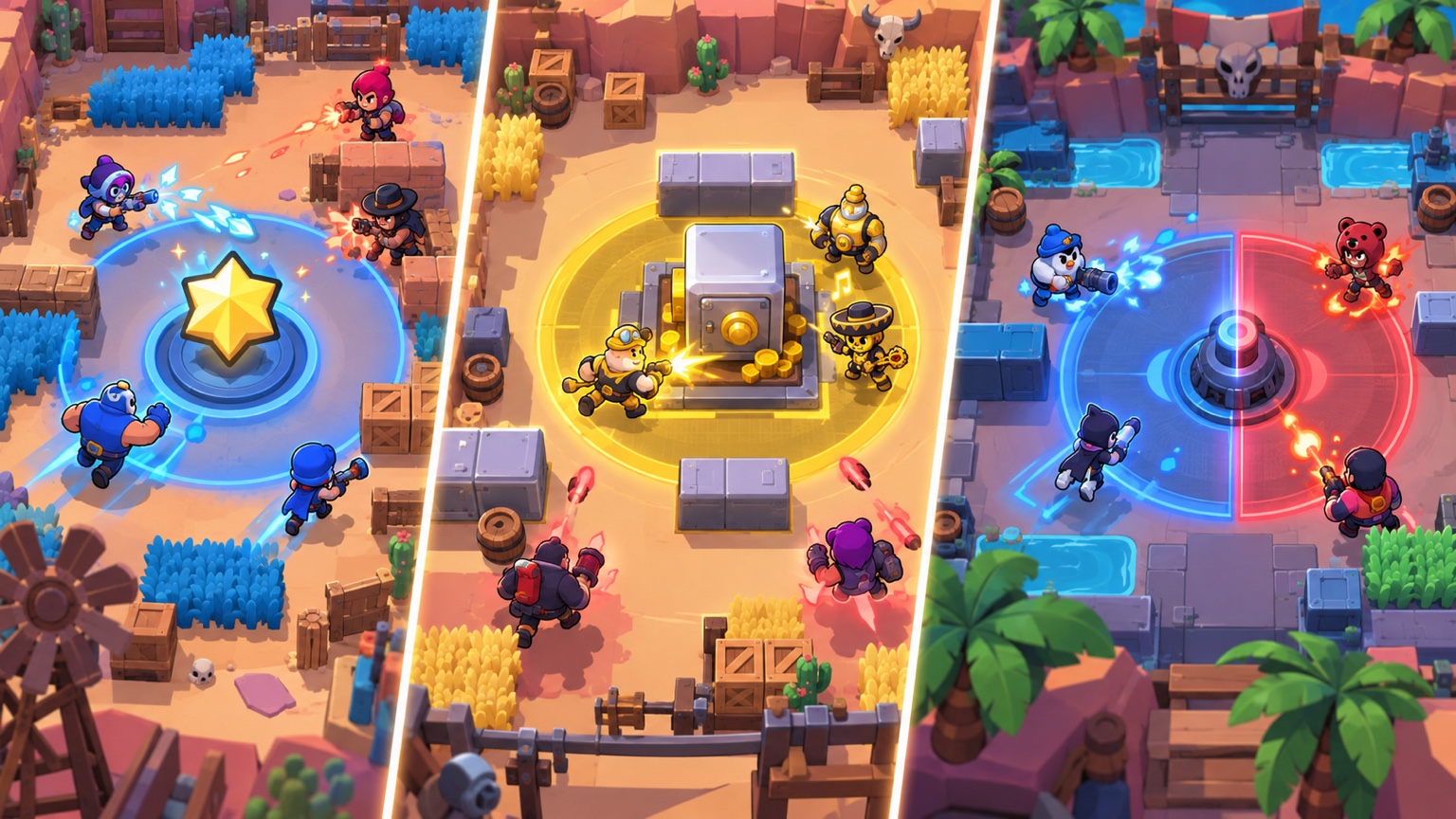
Bounty and Heist cancel each other out
SK’s entire net advantage comes from Bounty. A 2-0 row creates two points of separation, then FUT AC removes exactly that margin with a 2-0 Heist result. Hot Zone adds one point to both totals, leaving the aggregate level.
That pattern makes review unusually clean. SK can preserve the process behind Bounty and study why it failed to transfer to Heist. FUT AC can run the same comparison in reverse. Hot Zone gives both teams a shared row where one improved conversion would break the tie.
The score card cannot reveal the drafts or maps behind the results. It can direct replay work. Coaches can compare openings, first objective control and the final conversion in each row, then identify whether the different outcomes came from preparation or execution.
A 3-3 practice result is more informative when the mode split stays visible. Calling it only a draw hides the two decisive 2-0 swings. SK’s positive evidence belongs to Bounty, and FUT AC’s belongs to Heist. Those strengths should remain attached to every summary.
Hot Zone is the immediate swing mode because it is already level. Converting one of its displayed points in a later meeting would create separation without changing either team’s strongest current row. A broader rematch could also show whether the opposite Bounty and Heist results persist.
A simple review plan for both teams
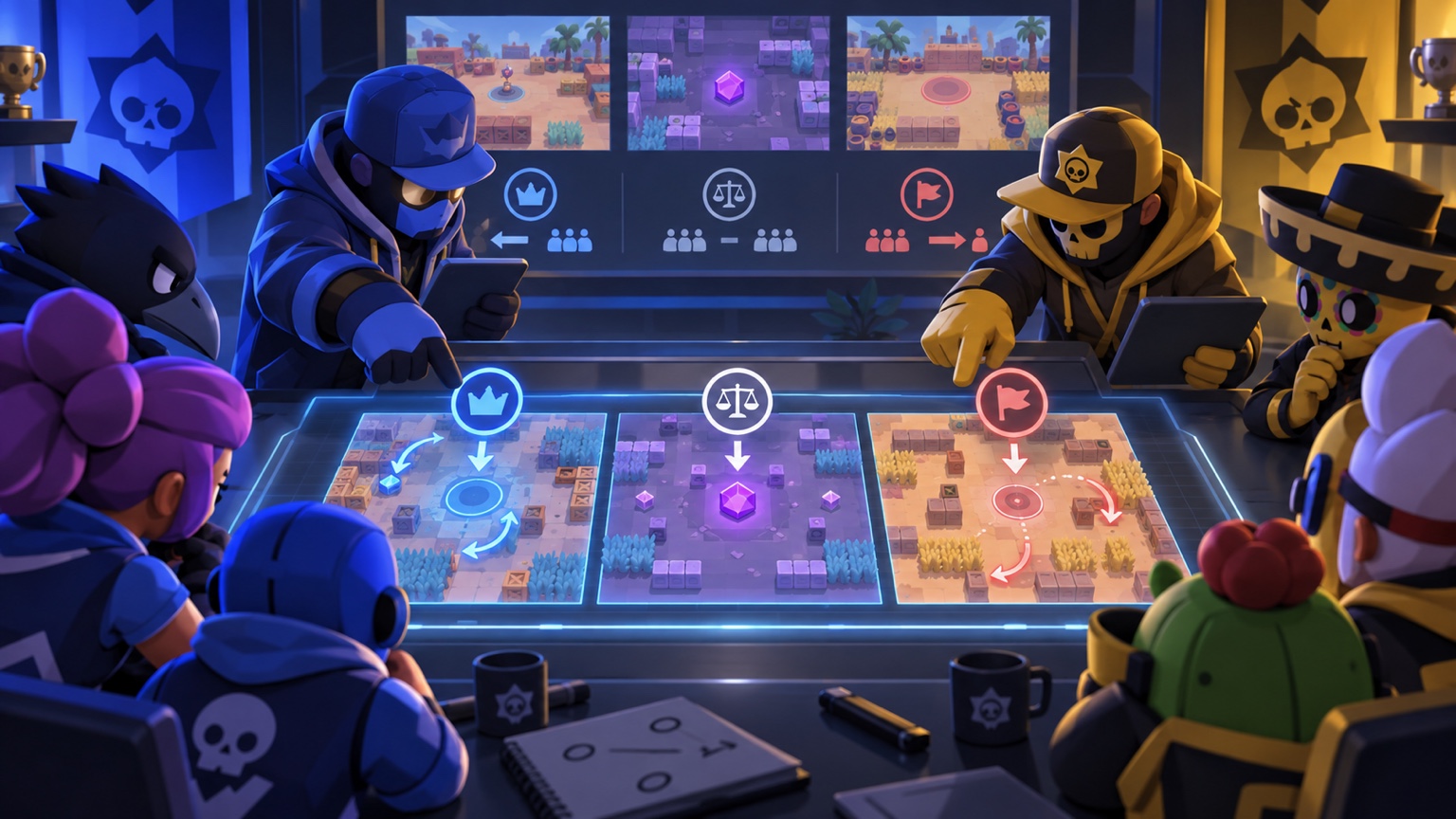
Start with the winning 2-0 mode and document the first repeatable decision. Move next to the lost 0-2 mode and look for the earliest point where control changed. Finish with Hot Zone, where both teams already produced one point and need a smaller adjustment.
Keep the date, team order and practice label in future comparisons. If the teams meet again, a row-by-row table will reveal improvement more clearly than a single new aggregate.
- SK’s 2-0 Bounty row creates its full mode advantage.
- FUT AC answers with a 2-0 Heist row.
- Hot Zone remains the shared swing mode after a 1-1 result.
| Mode | SK | FUT AC |
|---|---|---|
| Bounty | 2 | 0 |
| Heist | 0 | 2 |
| Hot Zone | 1 | 1 |
SK and FUT AC reach 3-3 through a precise exchange of strengths. SK controls the displayed Bounty row, FUT AC controls Heist and neither separates in Hot Zone. That is more useful than a generic draw because every point has a clear location. Each team can protect one successful mode, investigate one complete loss and approach the tied row as the nearest opportunity for progress. The snapshot remains unconfirmed practice data, so it should stay outside formal event narratives. As an October 6 baseline, it is concise and actionable. A future session can be judged by which of the three rows changes, whether the two 2-0 advantages hold and which side first turns Hot Zone into a lead. Preserving this structure will make even a small adjustment easy to see. The equal total also gives analysts a clean way to avoid overstatement. Neither side needs a broad story attached to the session; the useful evidence is already visible in the three named rows. Coaches can save clips from the first objective exchange in each mode, add draft notes and compare them with the next card. That turns a short public snapshot into a repeatable review record while keeping every conclusion anchored to the practice setting.