TE Leads TRIBE 11-3 in Six-Mode Scrim
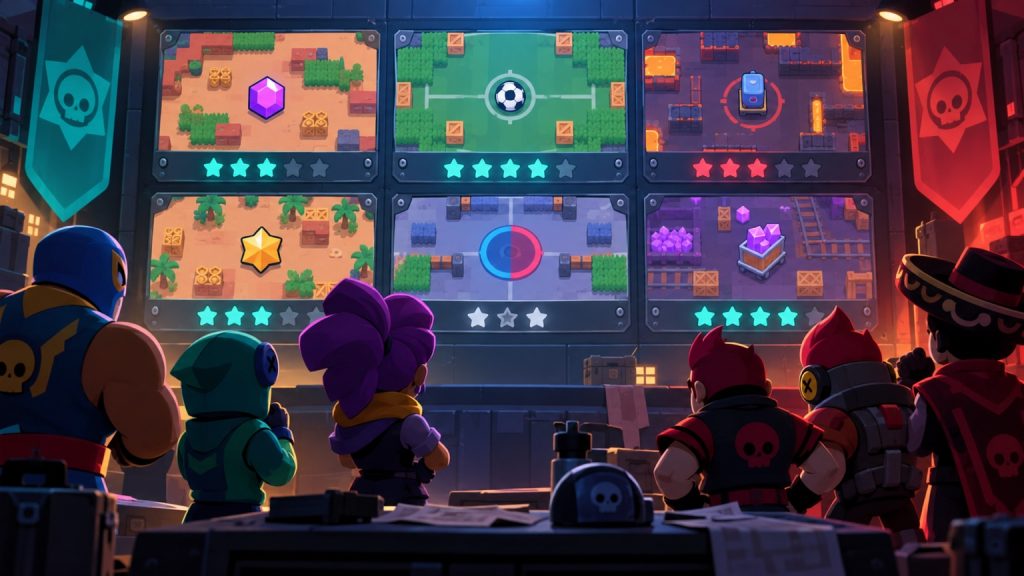
TE leads TRIBE 11-3 in a Brawlytics practice snapshot dated October 6. The total comes from six named mode rows and shows a broad TE advantage. TRIBE takes Brawl Ball, Gem Grab finishes level, and TE leads each of the remaining four modes.
The card lists Gem Grab 1-1, Brawl Ball 1-2, Heist 2-0, Bounty 3-0, Hot Zone 2-0 and Knockout 2-0 in TE–TRIBE order. Adding those rows produces eleven for TE and three for TRIBE. Bounty creates the largest single gap, while Heist, Hot Zone and Knockout each add two unanswered points.
This is a separate session from the TE–TRIBE practice item recorded for October 2. The date, aggregate and mode structure are different. That earlier meeting cannot be merged with the current card, and the October 6 result deserves its own baseline.
Completion remains unconfirmed, and the source classifies the data as scrim information. The score belongs to practice review. It is useful for measuring mode-level performance, while official standings and qualification claims require tournament results.
Four modes create TE’s margin
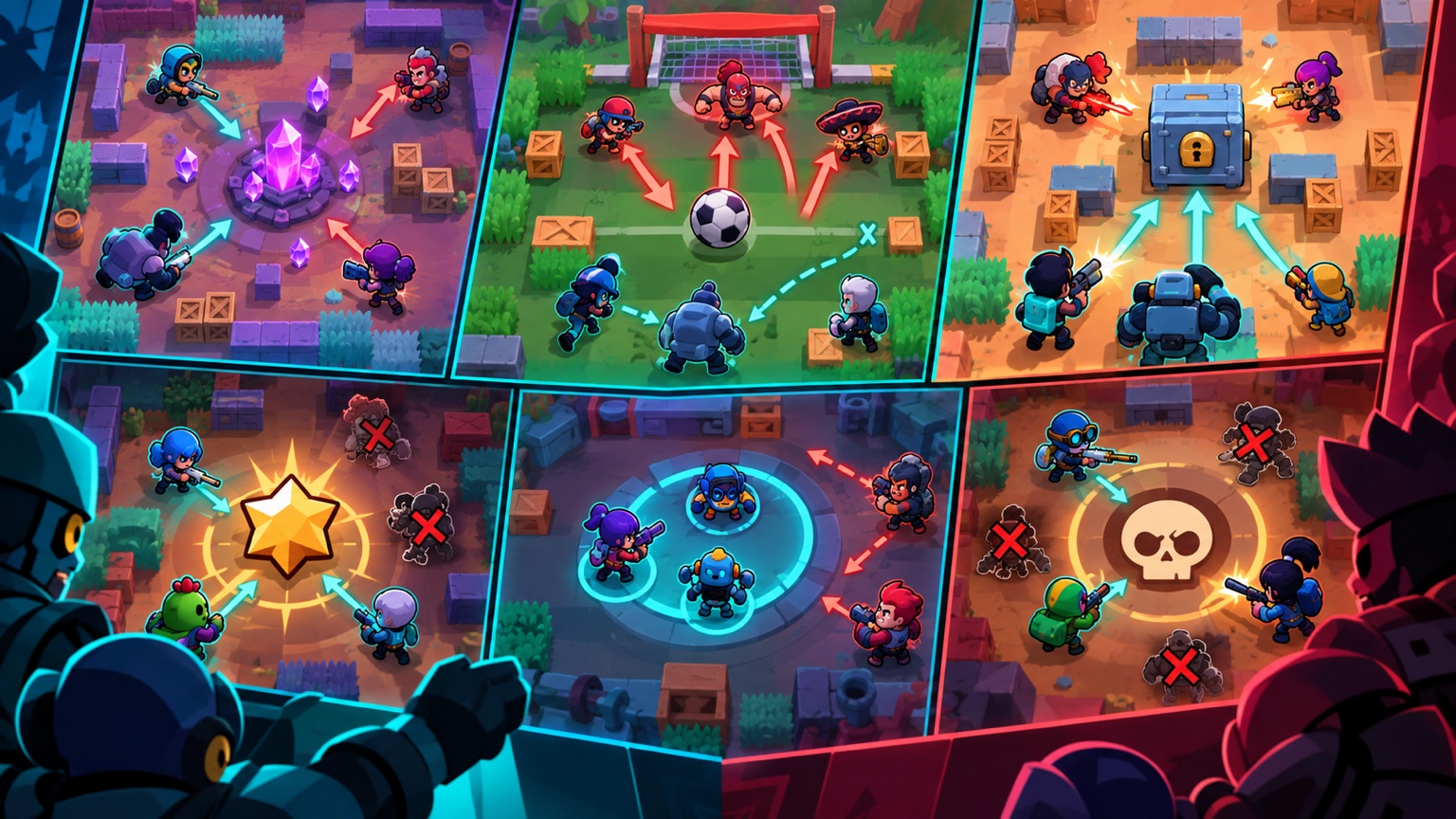
TE’s strongest row is Bounty at 3-0. Heist, Hot Zone and Knockout follow at 2-0 apiece. Together those modes generate nine unanswered points and account for most of the aggregate separation. The pattern spans objective damage, zone occupation and elimination-focused play.
TRIBE’s positive row is Brawl Ball at 2-1. That result matters because it shows a mode where the overall leader did not control the displayed score. Gem Grab’s 1-1 line supplies a second competitive reference. Review can begin with those two rows before moving into the four larger deficits.
The public card identifies where each team finished ahead, but it cannot identify drafts, maps or individual decisions. Replay evidence is needed for those explanations. A disciplined review should preserve that boundary and use the six rows to frame tactical questions for the replay review.
For TE, the next step is comparing the four winning modes for common strengths. Coaches can tag the first stable lane, first objective conversion and closing decision in each replay. If the same pattern appears across several modes, it becomes a useful preparation note.
TRIBE can start from Brawl Ball and Gem Grab, then test which elements disappeared in the other rows. The 3-0 Bounty result deserves particular attention because it contributes the largest gap. Heist, Hot Zone and Knockout each provide a separate two-point recovery target.
How to compare the next meeting
Keep the October 6 six-row table beside any later card. An improved aggregate can come from closing one large mode gap, preserving Brawl Ball or converting the tied Gem Grab row. Tracking each route separately makes progress visible even when the overall leader stays the same.
Public summaries should retain the practice label and unconfirmed completion status. The value lies in the detailed distribution, not in treating an 11-3 scrim as a formal competitive series.
- TE leads four modes: Heist, Bounty, Hot Zone and Knockout.
- TRIBE leads Brawl Ball, while Gem Grab finishes level.
- Use the six October 6 rows as a new baseline separate from the October 2 meeting.

| Mode | TE | TRIBE |
|---|---|---|
| Gem Grab | 1 | 1 |
| Brawl Ball | 1 | 2 |
| Heist | 2 | 0 |
| Bounty | 3 | 0 |
| Hot Zone | 2 | 0 |
| Knockout | 2 | 0 |
TE’s 11-3 lead over TRIBE is built across four different winning modes. Bounty contributes the largest gap, and Heist, Hot Zone and Knockout add matching 2-0 rows. TRIBE’s Brawl Ball advantage and the tied Gem Grab line keep the card from being uniform, giving the team two practical starting points for review. The snapshot is dated October 6, its completion status is unconfirmed and it records practice outside an official event. Within that scope, the detail is strong. Both teams can trace every displayed point to a named mode, compare the new session with the distinct October 2 meeting and measure future change without relying only on the aggregate. A later rematch becomes most informative when the same six-mode structure is preserved.