TH and NAVI Split September 29 Scrim 5-5
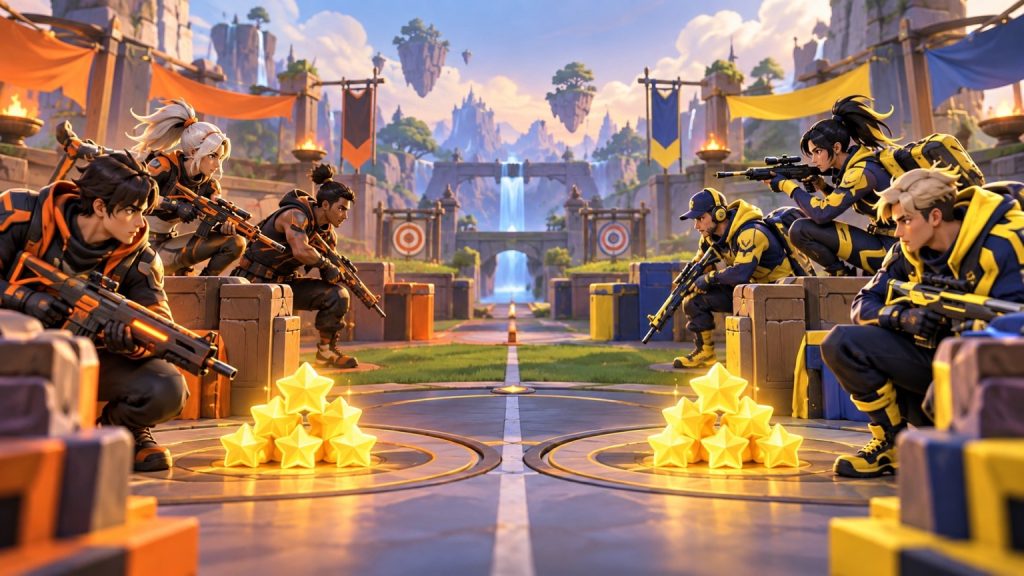
TH and NAVI are level at 5-5 in a Brawlytics practice snapshot dated September 29. The card lists five modes and shows a remarkably balanced structure: one tie, two modes favoring TH and two favoring NAVI. Opposite two-point swings in Hot Zone and Knockout account for the largest changes in the displayed score.
Gem Grab opens at 1-1, giving neither side an advantage. NAVI then moves ahead in Heist at 2-1 before TH answers with a 2-0 Hot Zone row. Knockout reverses that exact two-point pattern in NAVI’s favor, and TH takes Brawl Ball 1-0. Adding the rows produces the 5-5 total shown on the card.
This is a new September 29 pairing in the site’s seven-day window. Recent coverage has included TH and NAVI against other opponents, but the direct TH–NAVI card and its five-mode distribution form a separate practice story. The status remains a scrim snapshot, so the score is useful as a training record and carries no official-tournament result.
The largest mode swings cancel each other
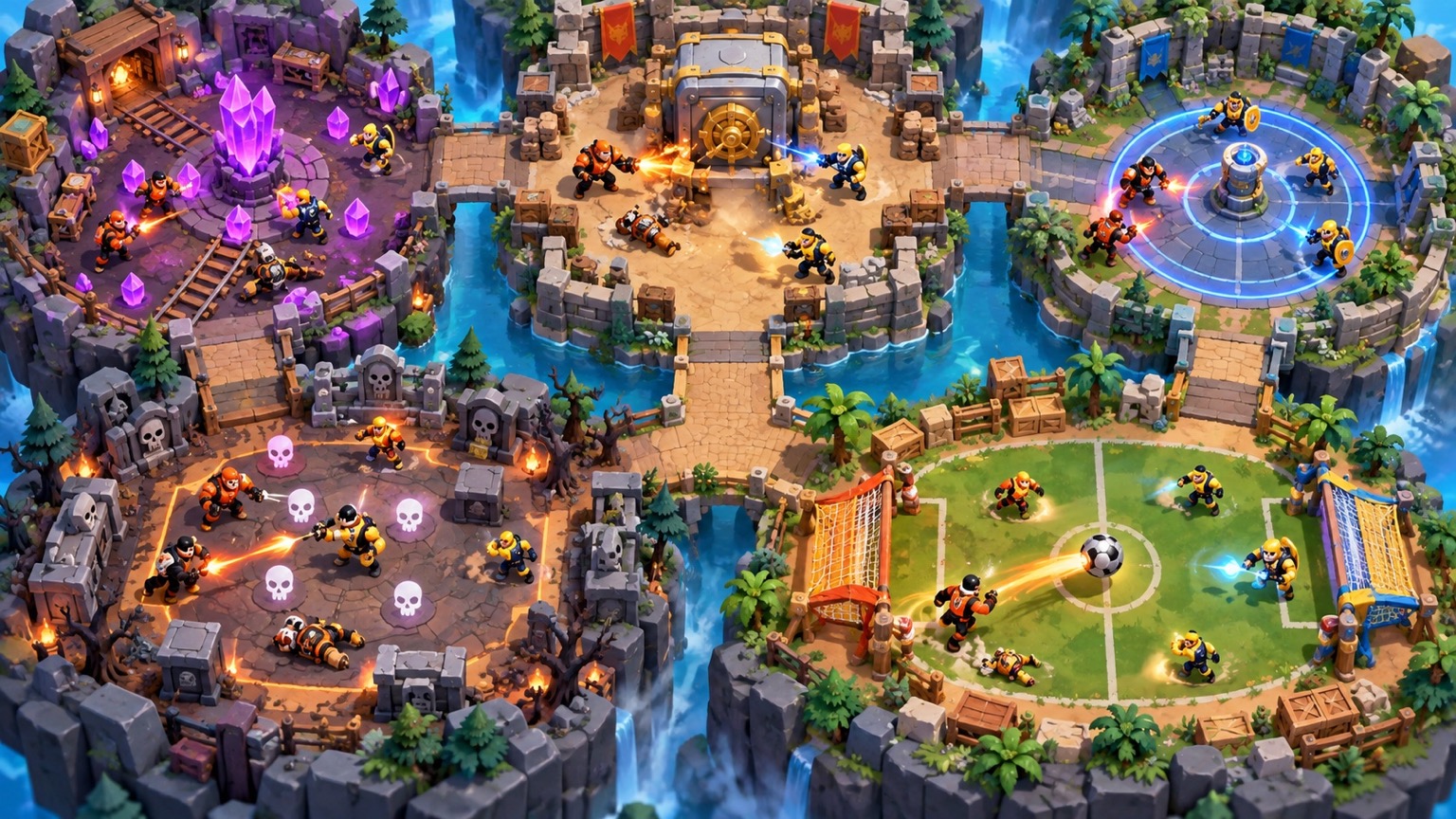
Hot Zone is TH’s strongest displayed row at 2-0. Knockout is NAVI’s strongest at 2-0 in the opposite team order. Those two rows cancel at the aggregate level, even though each gives one side a clear local advantage. Heist and Brawl Ball then trade single-point margins, while Gem Grab contributes one score to each team.
The card therefore has a visible internal symmetry. TH’s points come from Gem Grab, Hot Zone and Brawl Ball. NAVI’s points come from Gem Grab, Heist and Knockout. Each team reaches five through a different set of mode strengths, which gives the tie more analytical value than a single undivided total.
For TH, the clean Hot Zone row is the standout result, followed by the Brawl Ball edge. NAVI’s response is strongest in Knockout, with Heist adding the remaining one-score advantage. Gem Grab functions as common ground because both teams record one point there.
The distribution gives both sides specific review material. TH can examine why its control advantage in Hot Zone did not carry into Knockout, while NAVI can compare its limited-life success with the 0-2 Hot Zone row. Those are direct observations from the score pattern; player choices, maps and drafts require separate evidence and are not needed to understand the current split.
How to read a tied practice card
A 5-5 aggregate describes equality across the displayed session, but the row order shows where that equality comes from. The teams did not reach the tie by repeating the same score in every mode. They exchanged clear advantages, shared Gem Grab and traded the smaller Heist and Brawl Ball margins.
If Brawlytics adds more play, the existing rows remain the baseline for comparison. Another tied row would preserve the overall gap, while a win for either team would break it. Until an update appears, the precise result is a five-mode practice split with completion unconfirmed.
- Gem Grab is tied 1-1.
- TH leads Hot Zone 2-0 and Brawl Ball 1-0.
- NAVI leads Heist 2-1 and Knockout 2-0.
| Mode | TH | NAVI |
|---|---|---|
| Gem Grab | 1 | 1 |
| Heist | 1 | 2 |
| Hot Zone | 2 | 0 |
| Knockout | 0 | 2 |
| Brawl Ball | 1 | 0 |
TH and NAVI arrive at the same 5-5 aggregate through contrasting mode results. TH’s 2-0 Hot Zone advantage is matched by NAVI’s 2-0 Knockout advantage, while the smaller Heist and Brawl Ball margins also offset one another. Gem Grab adds one point to each side. The September 29 card is valuable because it exposes that structure instead of presenting the tie as a featureless total. It remains a practice snapshot with completion unconfirmed, so its proper use is as a dated mode-by-mode benchmark. Any later expansion can be measured against five clear rows and a perfectly even starting aggregate. For readers following both teams, the split also creates a compact scouting record: TH owns the visible control-mode peak, NAVI owns the limited-life peak, and neither side controls the full card. That balanced picture is more informative than treating every tied scrim as identical. It also gives a future rematch a clean comparison point across all five named modes, allowing each side’s strongest and weakest rows to be tracked independently.