Cosmo’s Brawl Ball Sample Hits 77.6%

Cosmo has a substantial early run of recorded matches, and the latest BrawlOne snapshot gives a clearer view than a handful of creator games. In its September 18 rolling seven-day sample, the new Brawler recorded a 75.8% win rate across 5,896 tracked matches. Brawl Ball supplied the largest named mode sample: 2,932 matches at 77.6%. These figures are useful as a snapshot of one tracker, with the size of each mode sample as important as the headline percentage.
The tracker counted 4,470 wins and 1,426 losses for Cosmo, alongside an 8.53% pick rate in its reported data. BrawlOne describes its figures as a rolling seven-day battle sample refreshed daily. That makes the September 18 reading a time-stamped observation, not a permanent balance verdict. A new Brawler can draw unusual attention, and the mix of players, maps and modes in a tracked sample shapes the result. The figures speak for the battles the site measured; they are not a published global win rate from Supercell.
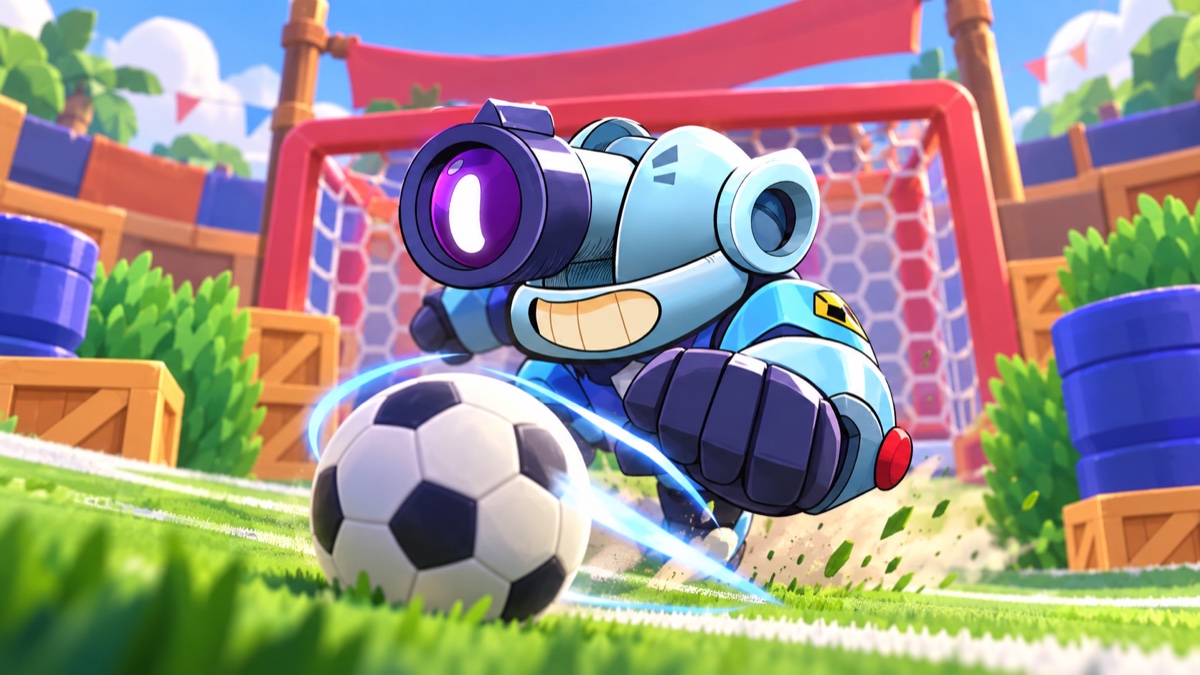
Brawl Ball also gives the most useful scale check. Its 77.6% rate came from nearly three thousand recorded matches, far more than the 111 games in Brawl Ball 5v5. The smaller 5v5 group posted the higher rate, 84.7%, but its narrower base calls for more caution. Reading both numbers together is more informative than simply selecting the largest percentage on the page.
What the mode samples actually show
The other reported modes point in a similar direction within this tracker. Bounty stood at 78.2% from 321 matches, while Knockout stood at 74.3% from 1,653. Those are materially different sample sizes: Knockout has more observations, while the Bounty rate moves on a smaller set. The page also records a 20.3% Star Player rate and an average trophy change of +7.2 for Cosmo in the tracked battles. These supporting metrics describe activity in the same data environment, not an additional official test of character strength.
The quickest way to read the table is to pair every rate with its match count. Brawl Ball offers both a strong rate and the largest named mode sample. Knockout offers the second-largest named sample here and a lower, still positive, recorded rate. Brawl Ball 5v5 is eye-catching but much smaller. A player choosing a mode can use those contrasts as context while also checking the actual map and team composition before a match.
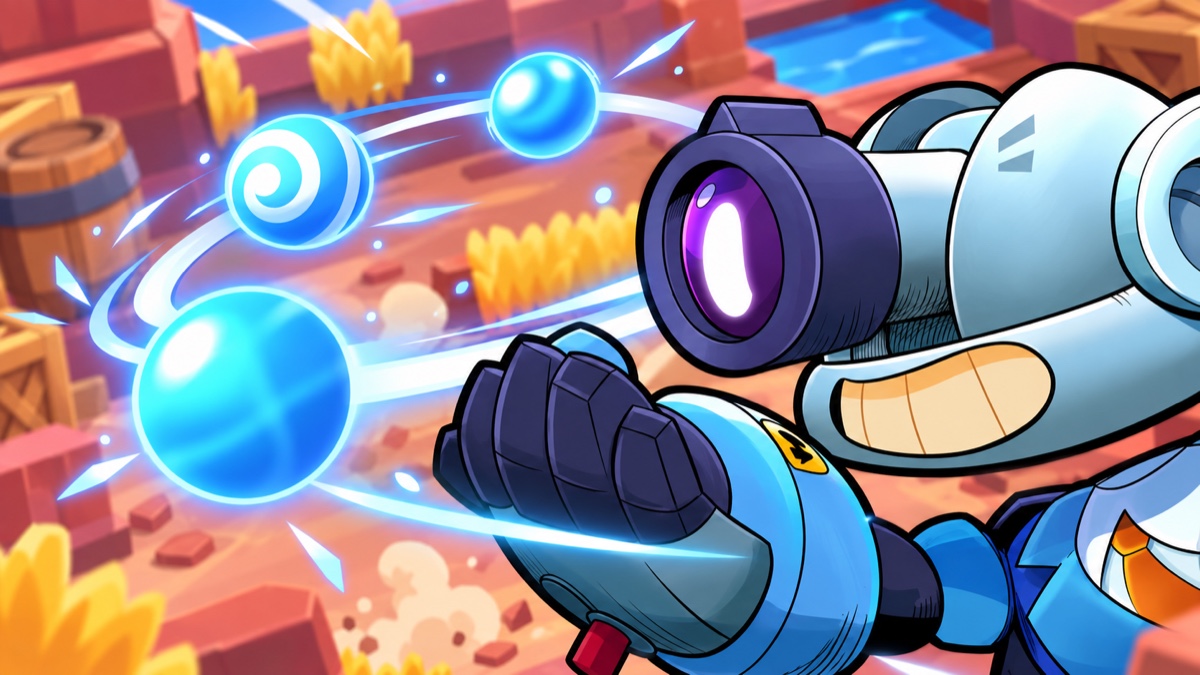
Cosmo’s official kit provides context for why players are testing him in team modes. Supercell describes Orbit as three projectiles that travel in a circle and spread as they move, growing in size and damage. His Gravitational Pull Super attaches a magnet to an enemy, after which teammates’ projectiles gain strong homing toward that target. The attraction of that kit in a coordinated setting is easy to understand, but the tracker alone cannot show that the Super caused any particular win. It records outcomes, not a controlled comparison of ability use.
The two Gadgets serve distinct jobs in Supercell’s description: Planetary Pushback moves enemies away from a selected area, while Telescope Trap reveals an area for six seconds and blocks movement abilities inside it. Precession increases the orbit speed of his attack, and Ammo Attractor reloads two ammo when his Super hits an enemy. These are confirmed mechanics, not claims that one build was used in every recorded match.
How to use the snapshot responsibly
BrawlOne is an independent, unofficial tracking site. Its mode breakdown is valuable because it publishes the counts next to the percentages, letting readers distinguish a broad group from a small one. Its data is still a sample of tracked battles. The next refresh can change the rolling window, while a balance change or different map rotation can change the play environment. The September 18 date therefore belongs beside any discussion of these numbers.
This story is about measured early performance, not a new Cosmo ability or a confirmed competitive draft rule. The direct takeaway is specific: in BrawlOne’s September 18 sample, Cosmo had 2,932 Brawl Ball matches at 77.6% and 1,653 Knockout matches at 74.3%. Fans can compare that snapshot with later updates, using match count as a guardrail whenever a striking percentage appears.
- Start with the September 18 date and the seven-day rolling window.
- Pair each mode win rate with the number of tracked matches.
- Treat the figures as BrawlOne sample data, separate from Supercell’s official ability descriptions.
| Mode in the sample | Win rate | Tracked matches |
|---|---|---|
| Brawl Ball | 77.6% | 2,932 |
| Knockout | 74.3% | 1,653 |
| Bounty | 78.2% | 321 |
| Brawl Ball 5v5 | 84.7% | 111 |
The most meaningful number is not simply the highest win rate. Cosmo’s large Brawl Ball sample gives the clearest mode-specific signal in this snapshot, while the much smaller 5v5 group deserves a lighter touch. The confirmed abilities explain what Cosmo can do; the tracker records how its sampled matches ended. Keeping those two kinds of evidence separate makes the new data genuinely useful.